Handling Mean Words | Free Printable Conflict Resolution Chart for Kids
Scroll to browse all pages
Loading interactive preview…
Click buttons below to get the watermark free version
It completely breaks our hearts when our little ones come home and say, “My friend was mean to me today.” As parents and teachers, our first instinct is often to jump in and fix it for them! However, one of the most powerful gifts we can give our children is the ability to handle peer conflicts safely and confidently on their own.
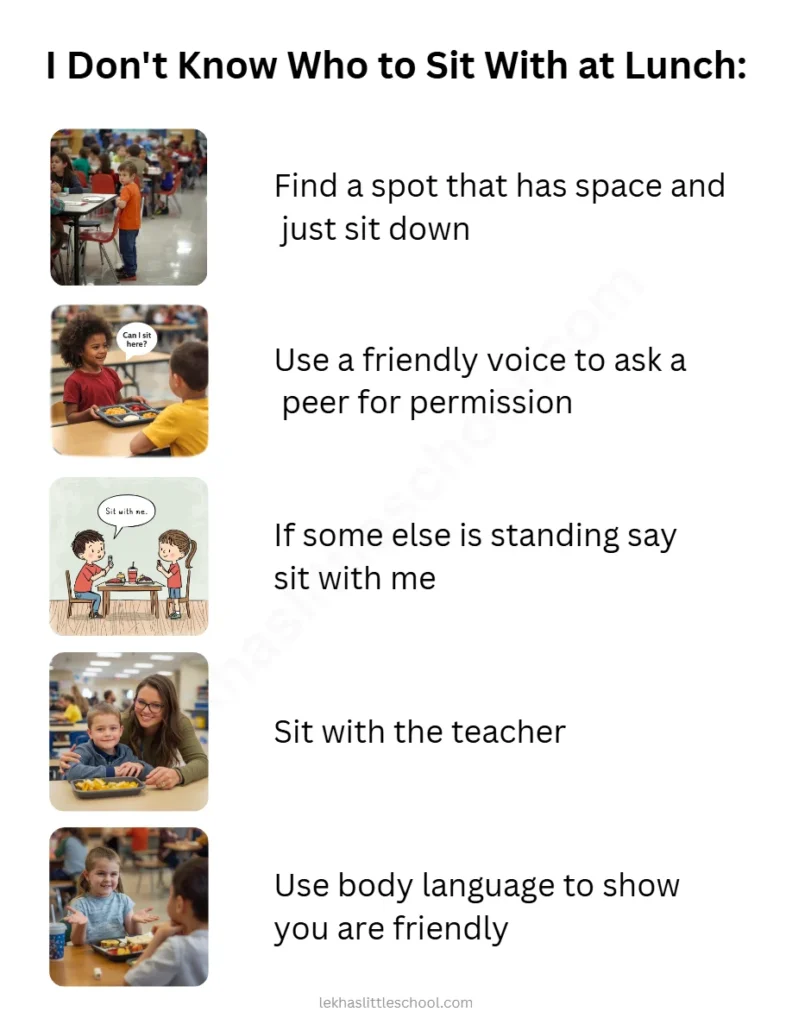
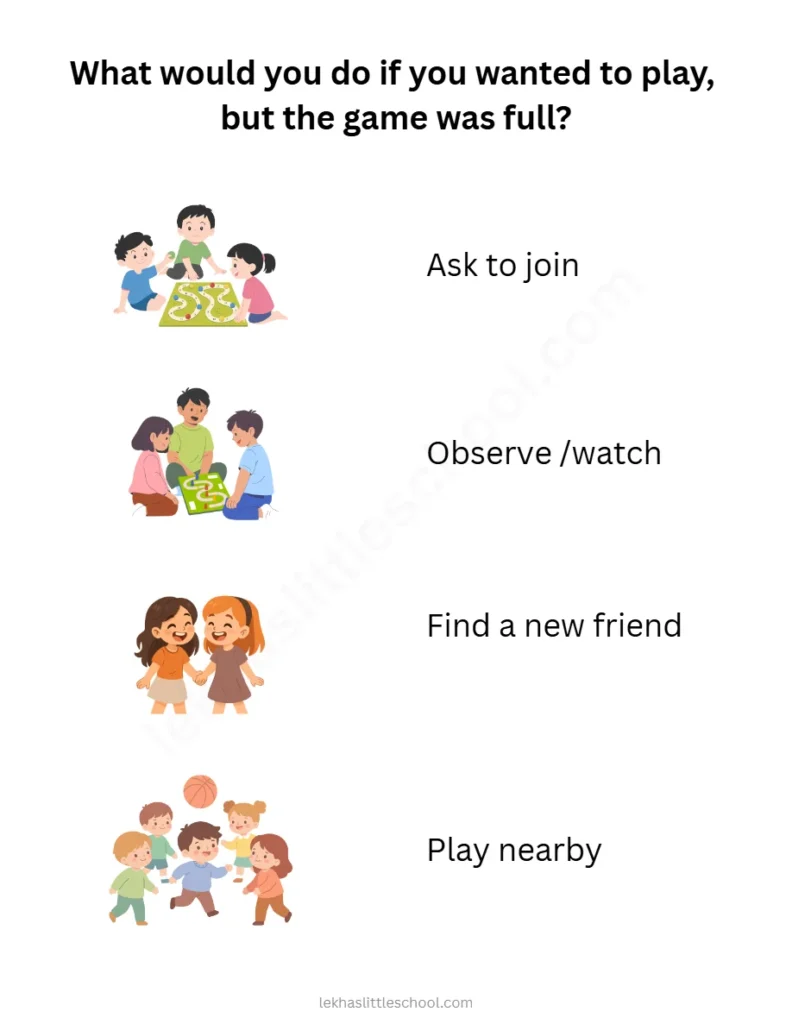
That is why this “A Friend Said Something Mean to Me” visual guide from lekhaslittleschool.com is such a brilliant resource. Instead of leaving children feeling helpless when feelings get hurt, this chart provides a concrete menu of five healthy choices: using a “Stop Hand”, walking away, using an “I-statement”, finding a kind friend, or telling a teacher. It takes a very abstract, overwhelming situation and gives kids a practical roadmap.
Perfect For:
Preschool, Kindergarten, Early Elementary, and EYFS children (Ages 4-8). This is an absolute must-have for classroom calm-down corners, school counseling offices, and home refrigerators!
Building Social Confidence and Boundaries
Navigating friendships is tricky business. Young children are still learning impulse control, which means mean words are bound to happen on the playground. By giving children a visual reminder of their options, we empower them to stand up for themselves respectfully. They learn that they don’t have to just accept unkind behavior, nor do they have to fight back—they have safe, effective tools they can use right in the moment.
Skills Your Little Learner Will Develop
This simple chart is packed with high-level social skills:
-
Boundary Setting: Learning to use a firm voice and a “Stop Hand” to communicate that a behavior is unacceptable.
-
Assertive Communication: Practicing “I-statements” (e.g., “I feel sad when you say that…”) helps them express their feelings without attacking the other person.
-
Self-Advocacy & Problem Solving: Realizing they have the power to change their environment by walking away or choosing to play with kinder peers.
-
Safety Awareness: Understanding when a situation is too big to handle alone and requires a trusted adult’s help.
Tips for a Frustration-Free Activity
You cannot teach conflict resolution during an actual conflict! Here is how to practice these skills so they are ready when your child actually needs them:
-
Roleplay, Roleplay, Roleplay: Sit down together when everyone is happy and pretend to be on the playground. Have your child practice holding up their hand and saying, “I don’t like that, please stop,” in a strong, brave voice.
-
Script the “I-Statement”: Fill-in-the-blank sentences are great here. Practice saying, “I feel [emotion] when you [action].”
-
Talk About “Telling vs. Tattling”: This is a great time to explain the difference. Let them know that telling a teacher to keep someone safe or to get help with a mean friend is a good choice, while tattling is just trying to get someone in trouble.
-
Keep It Visible: Hang this chart by the door or in their room. When they come home upset about a peer, bring them to the chart and ask, “Which of these tools did you try today? Which one should we try tomorrow?”
From Lekha’s Little School to yours, wishing you peaceful and positive days ahead!